When Your Car Gets Stuck in the Sand: Understanding Desert Pullout Services
Driving off-road in Dubai's desert is a thrilling experience, but it comes with a real risk: getting stuck. Sand can shift under your tires in seconds, leaving your vehicle immobilized. I have seen this happen to both tourists and long-time residents who underestimated the terrain. A desert pullout is not just about yanking a car free. It is a careful operation that balances vehicle safety with the challenges of soft ground, heat, and sometimes remote locations.
For anyone who drives in the UAE, knowing how a desert pullout works can save time, money, and a lot of frustration. The process is more technical than many people realize, and choosing the right help matters. In my experience, the difference between a quick recovery and a long, costly ordeal often comes down to the equipment used and the driver's understanding of the situation.
Why Vehicles Get Stuck in the Desert
The main culprit is soft sand. When you drive over dunes or loose gravel, your tires can lose traction and dig in. Even a small drop in tire pressure can cause the vehicle to sink. I have seen 4x4s with proper off-road tires get stuck because the driver stopped on a slope or turned too sharply. The weight of the vehicle, combined with the low friction of the sand, creates a trap.
Another common cause is driving in areas that look firm but are actually layers of dry sand over a hard crust. The crust breaks under the weight, and the vehicle drops. This happens often near desert roads or after a recent rain that has not fully dried. The best way to avoid this is to stay on established tracks and reduce tire pressure before entering soft sand. But even cautious drivers can misjudge a patch.
Sometimes, the issue is mechanical. A broken belt or a puncture can leave you stranded. In those cases, a desert pullout becomes a recovery job that requires towing, not just a winch. The terrain adds complexity. If the vehicle is on a slope or near a dune edge, the recovery team has to plan the pull carefully to avoid rolling or further damage.
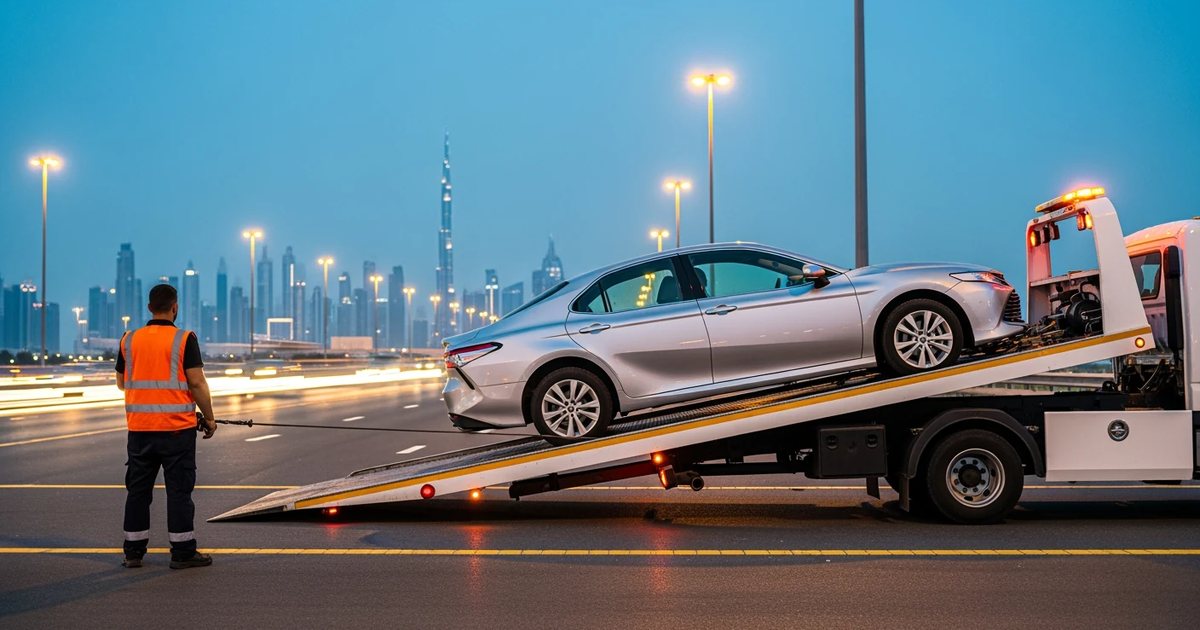
What a Professional Desert Pullout Involves
When you call a service for a desert pullout, the first step is assessment. The recovery team needs to see how deep the vehicle is stuck, what the ground conditions are like, and whether there are any obstacles nearby. I have watched experienced operators walk the area, checking for hidden rocks, soft spots, or steep drops. They do not just hook up a rope and pull.
Then comes the equipment. Most desert pullouts use a heavy-duty tow truck or a specialized recovery vehicle with a winch. The winch line is attached to the stuck vehicle's frame or a secure anchor point. The operator controls the pull slowly, often using a snatch block to change direction or increase pulling power. It is not a fast process, but it is safe. Rushing can snap the line or damage the vehicle.
For vehicles that are deeply buried, the recovery team may need to dig around the tires or use sand tracks to create a path. They also check the vehicle's air pressure and sometimes deflate the tires further to increase surface area. This is a delicate balance. Too little pressure and the tire can come off the rim. Too much and the vehicle will keep sinking.
When a Simple Tow Is Not Enough
Not every desert pullout is straightforward. If the vehicle is on a steep dune or in a narrow gully, the recovery team may need to use multiple winch points or even a second vehicle for stability. I recall a situation where a pickup truck was stuck near the top of a dune, with its front wheels over the edge. The team had to anchor the tow truck to a heavy object and use a pulley system to pull the truck sideways before winching it back up. That operation took over an hour but prevented any damage.
Another complication is the heat. In summer, ground temperatures can exceed 50 degrees Celsius. Recovery crews have to work quickly but carefully, staying hydrated and watching for signs of heat stress. They also have to manage the vehicle's cooling system, especially if the engine has been running while stuck. Overheating can cause serious damage, so the team may let the vehicle cool down before attempting the pull.
I have also seen cases where the vehicle's brakes or transmission were engaged, making the pull harder. The recovery team has to coordinate with the driver to release brakes and put the vehicle in neutral. If the engine is off, the steering lock can also be an issue. All these small details add up to a process that is far more involved than just hooking a chain to a bumper.
Why It Pays to Use a Specialist Service
A desert pullout is not the same as a roadside tow. The equipment and expertise needed are different. A standard tow truck might not have the winch capacity or the right tires for soft sand. I have seen well-meaning friends try to pull a stuck car with a rope, only to snap the rope or damage both vehicles. The force required to free a vehicle from deep sand can be several tons, and the angle of the pull matters.
Professional services like carrecoverydubai Desert pullout are designed for these conditions. They have trucks with powerful winches, sand mats, and crews trained in desert recovery. The phrase "carrecoverydubai Desert pullout" reflects a specific capability: pulling vehicles out of sand without causing further damage. I have used such a service myself once, and the operator explained every step before starting the winch. That level of communication is rare but valuable.

Another reason to choose a specialist is safety. A desert pullout often happens on a slope or near a drop. If the pull goes wrong, the vehicle can roll or fall. A trained team knows how to anchor the winch and use snatch blocks to control the direction. They also know how to attach the tow line to the vehicle's frame without bending the chassis or damaging the suspension. In my experience, the cost of a professional recovery is far less than the cost of repairing a damaged vehicle or paying for a second rescue.
It is also worth noting that some recovery services are available 24/7. If you get stuck at night, you do not have to wait until morning. The same crew that handles a daytime desert pullout can respond at midnight, using floodlights and radios to coordinate. The terrain does not change, but the visibility does, so a good team brings extra lighting and communication gear.
What to Do While Waiting for Help
If you are stuck in the desert and have called for a desert pullout, there are a few things you can do to make the recovery smoother. First, stay in the vehicle or nearby. Do not wander off, especially in the heat. The recovery team will need to find you, so stay visible. Turn on your hazard lights and if you have a reflective triangle, place it on the roof or at a distance where it can be seen from the road.
Second, do not try to dig out the vehicle yourself unless you know what you are doing. Digging the wrong way can make the situation worse by creating a deeper hole. Let the recovery team handle that. They have the tools and the experience to assess the best approach.
Third, gather any information you can about the vehicle's condition. Is the engine running? Are the brakes on? Is the steering locked? Tell the recovery operator these details when they arrive. It saves time and helps them plan the pull. I have seen cases where the driver forgot to mention that the transmission was in park, and the winch line snapped before the operator realized.
Finally, stay calm. A desert pullout is a routine job for a good recovery team. The process might take time, but it is safer to let the professionals work at their own pace. Trying to rush them can lead to mistakes. I once watched a driver insist on being pulled out immediately, and the team had to explain why that would risk damaging the vehicle. The driver waited an extra twenty minutes and the vehicle came out fine.
Choosing the Right Recovery Partner
Not all recovery services are equal when it comes to desert pullouts. Look for a company that has experience in off-road conditions and the right equipment. Car Recovery Dubai is one example of a service that provides 24/7 emergency towing and roadside assistance for cars, bikes, and heavy vehicles across Dubai and the UAE. Their fleet includes trucks with winches and sand mats, and their crews are trained for desert work.
I have spoken with operators who have worked in the desert for years. They know the common spots where vehicles get stuck, like the Al Awir desert or the dunes near Al Qudra. They also know how to approach a recovery without damaging the environment. That is important because desert terrain is fragile, and careless driving or pulling can damage the soil and plants. A good service will try to minimize their footprint.

Another thing to check is whether the service has insurance and proper licensing. Some unlicensed operators offer cheap desert pullouts but may not have the right equipment or training. If something goes wrong, you could be left with a bigger bill or a damaged vehicle. A reputable company will be transparent about their methods and pricing.
Ultimately, a desert pullout is a necessary part of off-road driving in the UAE. It is not a sign of failure; it is a reality of the terrain. With the right help, you can get your vehicle out safely and be back on the road in no time. The key is to prepare, stay calm, and call a service that knows what they are doing.
For anyone who drives in the desert, having a reliable recovery contact on speed dial is a smart move. I keep the number of a trusted service in my phone, along with a backup. You never know when you might need a desert pullout, but when you do, you will be glad you planned ahead.